One of the most important lessons I’ve learned from my diabetic journey is that food is not just about taste or satisfaction it’s about timing, discipline, and balance. What we eat, when we eat, and how much we eat can either heal our body or harm it.
Through experience, I’ve tested two different eating patterns:
- 100% morning food, 70% lunch food, 30% dinner food
- 100% morning food, 100% lunch food, 100% dinner food
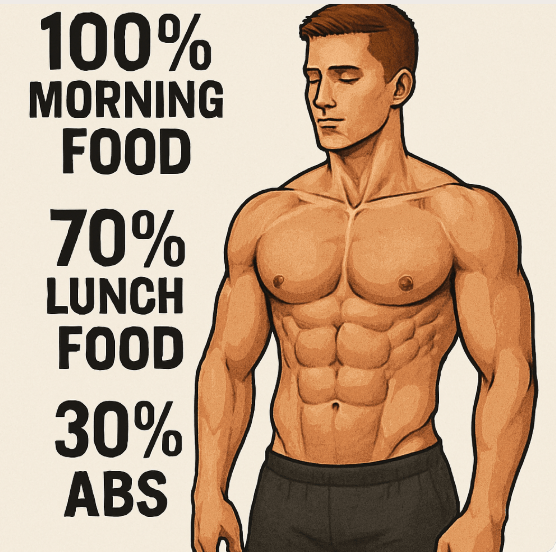

Both have their own effects some positive, some negative. And today, I want to share what I’ve learned from both, especially how they relate to diabetes, weight control, energy, sleep, and overall health.
Pattern 1: 100% Morning, 70% Lunch, 30% Dinner
This is the pattern I follow most of the time now. It’s based on the idea that our body needs more energy during the day and less at night. Here’s how it works:
- Morning (100%) Full meal with balanced nutrition: protein, carbs, fiber, and healthy fats.
- Lunch (70%) Slightly lighter meal, still nutritious but smaller portions.
- Dinner (30%) Very light meal, mostly vegetables or soup, eaten 3–4 hours before bedtime.
Positives
1. Better Blood Sugar Control
Eating less at night helps stabilize blood sugar. The body isn’t overloaded with food while sleeping, which is especially important for diabetics.
2. Improved Digestion
The digestive system works best during the day. Eating light at night gives your organs time to rest and recover.
3. Better Sleep
Heavy meals before bed can cause discomfort, bloating, and poor sleep. A light dinner helps you sleep deeper and wake up refreshed.
4. Weight Management
This pattern naturally supports weight loss. You burn more calories during the day and store less fat at night.
5. More Energy in the Morning
A full breakfast fuels your body for the day. You feel more alert, focused, and productive.
6. Discipline and Awareness
This pattern teaches you to be mindful of your portions and timing. It builds discipline — not just in food, but in life.
Negatives
1. Requires Planning
You need to plan your meals carefully. It’s not easy to follow if your schedule is unpredictable.
2. Social Challenges
Sometimes, family or friends eat heavy dinners, and it’s hard to say no or eat differently.
3. Cravings at Night
If you’re used to eating late, switching to a light dinner can be difficult at first. You may feel hungry or tempted.
Pattern 2: 100% Morning, 100% Lunch, 100% Dinner
This is the common eating pattern for many people full meals all day. It feels satisfying, and it’s easy to follow socially. But it comes with its own set of consequences.
Positives
1. Satisfaction
You feel full and satisfied after every meal. No hunger, no cravings.
2. Social Convenience
You can eat with family and friends without restrictions. No need to explain your eating habits.
3. Flexibility
You don’t need to plan much. Just eat when it’s time and enjoy your food.
4. Muscle Building (if paired with exercise)
If you’re doing heavy workouts, full meals can support muscle growth and recovery.
Negatives
1. Blood Sugar Spikes
Eating full meals all day especially at night can cause blood sugar to rise and stay high. This is dangerous for diabetics.
2. Poor Sleep
Heavy dinners can lead to bloating, discomfort, and poor sleep quality. The body struggles to digest food while you rest.
3. Weight Gain
Extra calories at night are stored as fat. Over time, this leads to weight gain and obesity.
4. Overworked Organs
Your liver, pancreas, and kidneys work harder when you eat heavy meals late. This increases the risk of complications.
5. Lack of Discipline
Eating full meals all day can lead to overeating, emotional eating, and poor habits. It’s easy to lose control.
My Experience: What Worked for Me
When I was newly diagnosed with diabetes, I used to eat full meals all day. I didn’t know the impact of timing and portions. I thought as long as the food was healthy, it was okay. But I was wrong.
I noticed:
- My blood sugar was unstable
- I felt tired even after sleeping
- My weight didn’t improve
- My cravings were strong
- My discipline was weak
Then I switched to the first pattern: 100% morning, 70% lunch, 30% dinner. And everything changed.
I felt:
- More energy
- Better sleep
- Stable blood sugar
- Lighter body
- Stronger discipline
This pattern helped me recover. It helped me build habits. It helped me feel in control again.
Why Timing and Portion Matter
Food is not just about what you eat it’s about when and how much. Your body is like a machine. It needs fuel during the day when it’s active. At night, it needs rest not more fuel.
Eating heavy meals at night is like putting wood on a fire that’s already dying. It creates smoke, not heat. It causes stress, not strength.
But eating light at night allows the body to repair, recover, and reset.
Discipline Is the Real Medicine
Whether you choose pattern 1 or pattern 2, the most important thing is discipline. Discipline in food. Discipline in timing. Discipline in portions. Discipline in consistency.
No medicine can replace discipline. No shortcut can replace consistency. No product can replace awareness.
Discipline is the real cure for diabetes, for weight, for energy, for life.
My Message to You
If you’re struggling with diabetes, weight, or poor habits, I encourage you to try the first pattern:
- 100% morning food
- 70% lunch food
- 30% dinner food
It’s not easy at first. But it works. It teaches discipline. It builds awareness. It supports healing.
And if you’re following the second pattern full meals all day be mindful. Watch your portions. Watch your timing. Watch your body’s signals.
Your health is your responsibility. Your habits shape your future. Your discipline creates your freedom.
Conclusion
My diabetic journey taught me that food is powerful. It can heal or harm. It can build or break. It can energize or exhaust.
I tested two patterns: One with discipline and timing. One with satisfaction and convenience.
And I learned that the best results come from discipline, awareness, and consistency.
Thank you for reading my story. I hope it inspires you to take control of your health, your habits, and your future one meal at a time.
Reynaldo M. Oliva

 Health Tips Based on Experience
Leave a comment